

Managing Deferred Maintenance in Rental Properties
Real Estate Investment, Deferred Maintenance, Rental Property Issues
When a Rental Property Has Too Much Deferred Maintenance: What Should You Do?
Deferred maintenance can quietly turn a promising real estate investment into a money pit. Knowing when to walk away, negotiate, or bring in help is crucial to protecting your profits and your peace of mind.
What Is Deferred Maintenance—and Why It Matters
Deferred maintenance is any necessary upkeep or repair that has been postponed. This can range from peeling exterior paint and aging HVAC systems to roof leaks and outdated electrical panels. On a rental property, these “I’ll fix it later” decisions stack up, eventually creating serious rental property issues that scare off tenants, invite code violations, and eat into your cash flow.
Step One: Assess the True Scope of Property Repairs
Before you make any decision, you need a clear picture of the damage. Hire a licensed home inspector or contractor to walk the property and provide estimates for all necessary property repairs. Don’t just focus on what you can see; ask about the age and condition of major systems like the roof, plumbing, foundation, and HVAC.
Separate cosmetic issues (paint, flooring, landscaping) from structural or safety concerns.
Get written bids to avoid underestimating costs.
Consider how long the property will be offline during renovations.
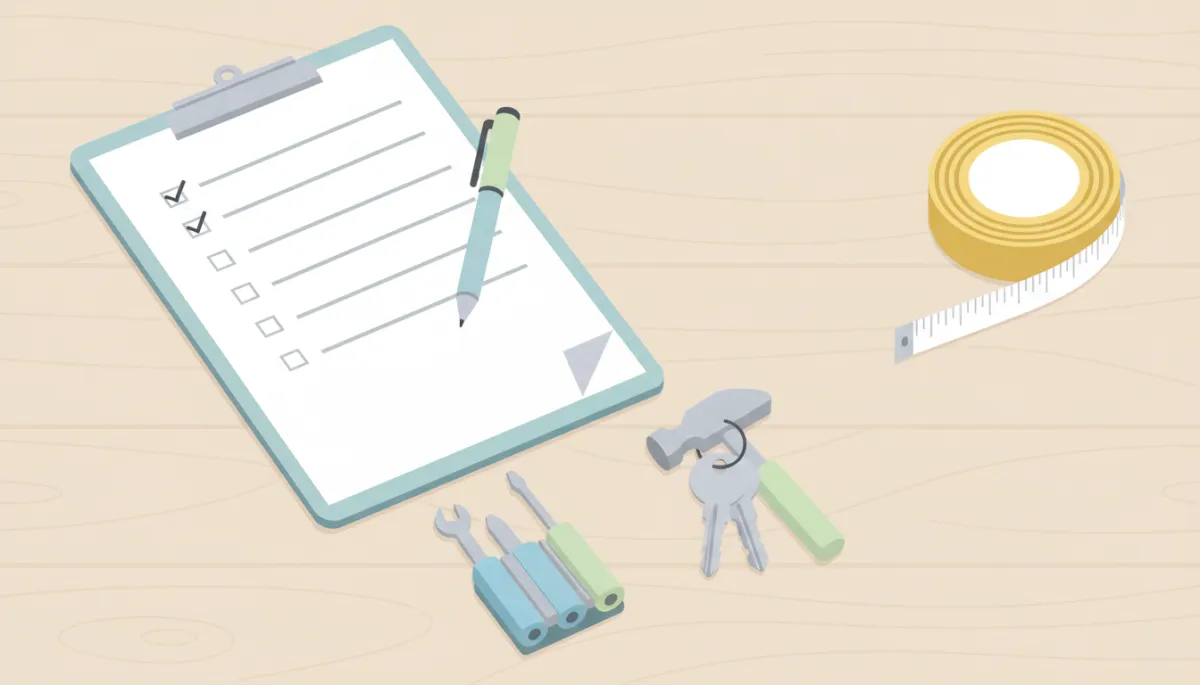
A clear maintenance checklist helps investors avoid costly repair surprises.
Run the Numbers: Does the Deal Still Work?
Once you know the scope of deferred maintenance, plug the repair costs into your real estate investment analysis. Add up:
Purchase price minus negotiated discounts for repairs
Total rehab budget, plus a 10–20% contingency
Holding costs while the unit is vacant and under construction
Compare that to the property’s after-repair value and projected rent. If your cash-on-cash return or cap rate drops below your minimum threshold, the property may simply have too much deferred maintenance to justify the risk.
Practical Homebuyer Tips for Handling Heavy Deferred Maintenance
For investors and landlords, smart homebuyer tips can make the difference between a great deal and a disaster:
Negotiate aggressively. Use inspection findings to request a price reduction or seller credits for repairs.
Prioritize safety first. Fix electrical, structural, water intrusion, and mold issues before cosmetic upgrades.
Know your limits. If you lack time, capital, or reliable contractors, consider selling or assigning the deal.
Create a Simple Maintenance Checklist for Future Protection
Whether you buy this property or move on, build a basic maintenance checklist to prevent deferred maintenance from piling up on any rental you own:
Quarterly: Gutters, exterior walk-through, smoke detectors, visible leaks.
Annually: HVAC service, roof inspection, caulking, pest checks.
Every tenant turn: Plumbing fixtures, appliances, flooring, paint touch-ups.
When It’s Time to Cut Losses and Sell As-Is
Sometimes, the most profitable move is to stop pouring money into a property overwhelmed by deferred maintenance and sell it as-is to a cash buyer who specializes in rental property issues. This can free up your time and capital for better-performing investments without dealing with months of contractors, permits, and surprise expenses.
If you’re staring at a long list of property repairs and wondering what to do next, get expert help today.
📞 Call Us Today: 405-449-2274 | 📧 Email Us Today: homebuyerforcash.com