
5 Signs Your Home Costs Too Much
Personal Finance, Homeownership, House Poor
Feeling House Poor? 5 Signs Your Home May Be Costing You Too Much
Owning a home is a major milestone, but when your house starts to control your money, time, and peace of mind, you may be what experts call house poor. If your mortgage and home expenses are swallowing your paycheck, it might be time to take a closer look at whether your home is truly working for you—or quietly driving you into financial strain.
What Does It Mean to Be “House Poor”?
Being house poor means a large portion of your income goes toward your mortgage, property taxes, insurance, utilities, and upkeep—leaving little room for savings, emergencies, or everyday life. With the rising cost of living, many homeowners don’t realize how much their property is contributing to their financial strain until they feel stuck, stressed, and out of options.
1. Your Budget Is Always Tight—No Matter What You Do
If you’ve cut back on eating out, canceled subscriptions, and still feel like there’s never enough at the end of the month, your home may be the problem. When more than 30–40% of your income goes to housing, including all home expenses, your budget has very little room to breathe. Even smart budgeting tips can only go so far if the root issue is a home that simply costs too much to maintain.
2. Debt Is Growing Faster Than Your Savings
Another red flag of being house poor is leaning on credit cards or loans to cover everyday expenses because your paycheck disappears into your home. When you can’t build an emergency fund, save for retirement, or pay down existing debt, your house is no longer just a roof over your head—it’s a major homeownership challenge that may be holding you back from long-term financial stability.
3. Repairs and Maintenance Feel Overwhelming
Leaky roof? Aging HVAC? Outdated plumbing? Routine upkeep is part of owning a home, but if every repair feels like a crisis, you may be facing more house than your budget can safely handle. Unexpected home expenses can quickly snowball, especially if you’ve already stretched financially just to afford the mortgage payment.
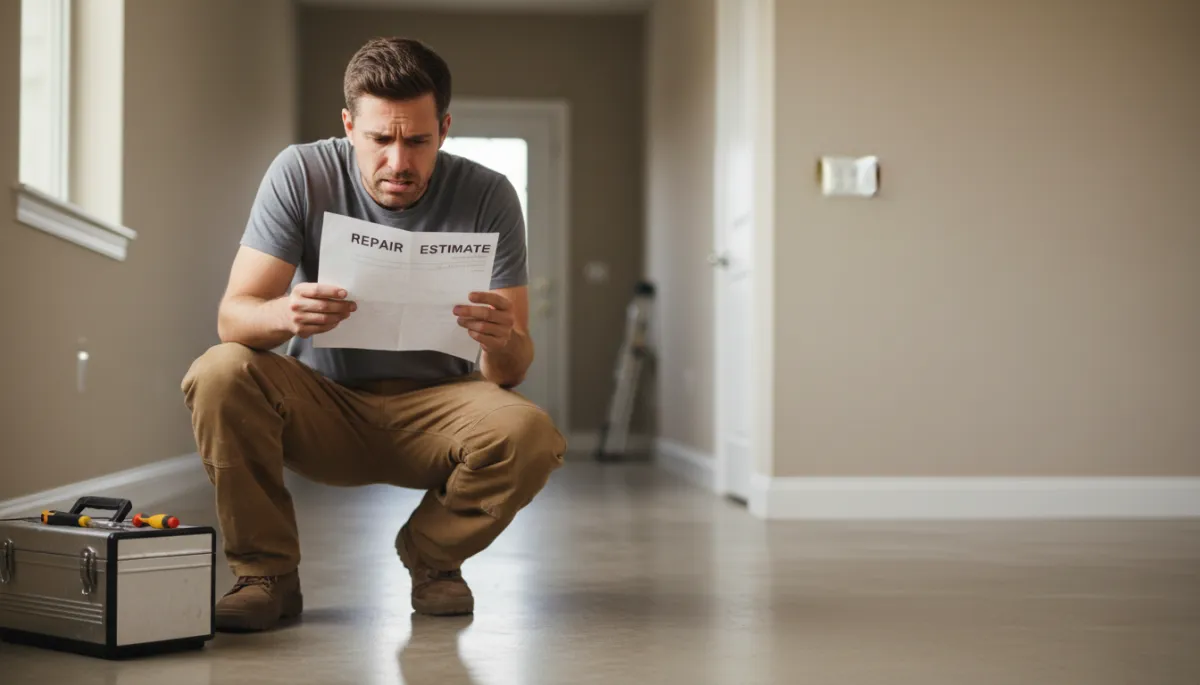
Costly repairs can turn a dream home into a constant financial burden.
4. Your Lifestyle Has Shrunk Around Your Mortgage
Do you say “no” to vacations, kids’ activities, or even small weekend outings because of your housing costs? When your life revolves around making the next payment, you’re not just dealing with normal homeownership challenges—you’re sacrificing quality of life. A home should support your goals, not force you to give them up.
5. You Feel Trapped and Out of Options
One of the clearest signs of being house poor is feeling stuck. Maybe you’ve thought about downsizing, but you’re worried about repairs, showings, or waiting months for the right buyer. Meanwhile, the rising cost of living keeps squeezing your budget, and the stress is affecting your sleep, relationships, and peace of mind.
💡 Simple Budgeting Tip: Add up every housing cost—mortgage or rent, taxes, insurance, utilities, repairs, HOA fees—and compare it to your monthly take-home pay. If housing consistently eats up most of your income, it may be time to rethink your situation.
You Don’t Have to Stay House Poor
If these signs feel uncomfortably familiar, remember: you’re not alone, and you do have options. Selling your home—especially for cash—can free you from overwhelming financial strain, wipe out expensive home expenses, and give you a fresh start with a home and payment that truly fit your life and budget.
Whether you’re facing mounting repairs, behind on payments, or simply tired of feeling stretched too thin, a straightforward sale can help you move on quickly—without the stress of showings, open houses, or waiting on bank approvals.
If your home is costing you your peace of mind, it may be time to explore a better path. 📞 Call Us Today: 405-449-2274 or 📧 Email Us Today: homebuyerforcash.com to discuss your options and see how selling your home for cash could help you stop feeling house poor and start feeling back in control of your finances.