

When to Stop Investing in an Old House
Home Renovation, Old House Investment, Property Maintenance
When Should You Stop Putting Money Into an Old House?
Loving an older home is easy—its character, charm, and history are hard to beat. But at some point, ongoing property maintenance and constant home renovation projects can become a financial drain. Knowing when to stop putting money into an old house, and consider when to sell house, is a crucial decision for any homeowner or investor.
Weighing Sentiment Against the Numbers
The first step is separating emotion from economics. Many owners feel attached to their property, especially if it has been in the family for years. However, from an old house investment standpoint, the key question is simple: Will the money you’re putting in ever come back out? If major upgrades won’t significantly raise the value or livability of the home, you may be funding a losing project.
Recognizing Costly Repairs That Signal a Turning Point
Some updates are normal parts of property maintenance—like painting, minor plumbing fixes, or replacing a few shingles. The red flags appear when costly repairs start piling up all at once. Common examples include:
Foundation issues or structural damage that require extensive engineering work
Full roof replacement combined with aging electrical or plumbing systems
Widespread water damage, mold, or termite problems hidden behind walls
When two or three of these issues show up together, the cost to “make it right” can quickly exceed what the house will ever be worth after renovation. That’s often the moment to pause and reconsider your home renovation plans.
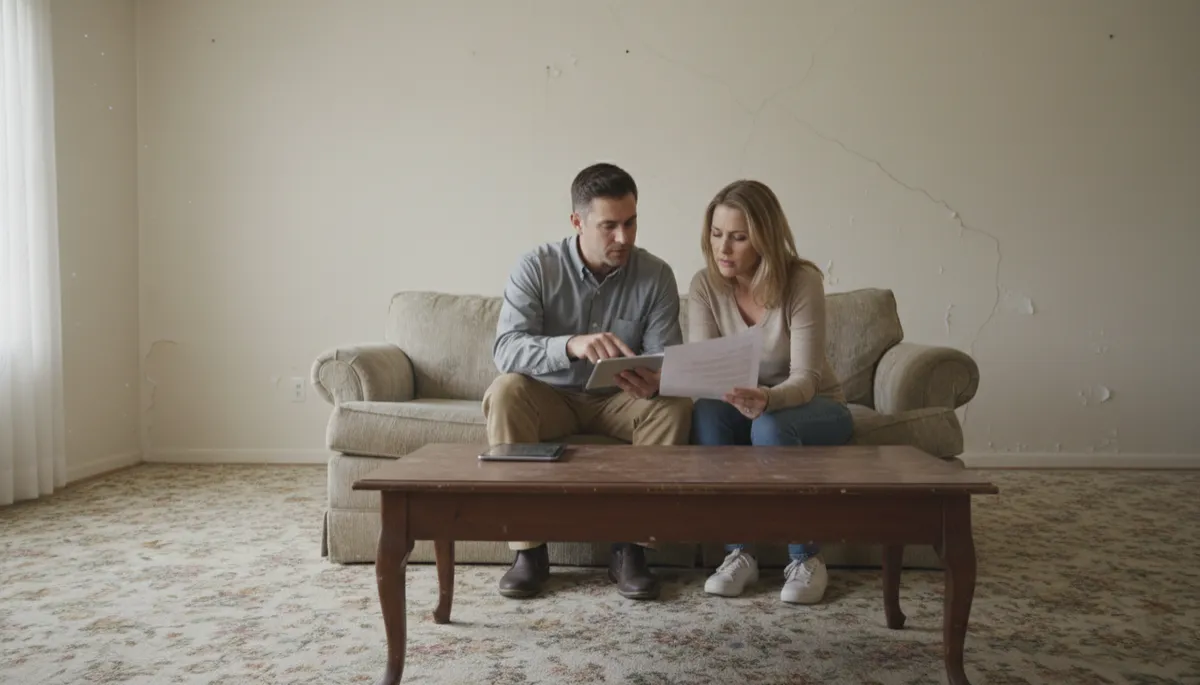
A clear inspection report helps reveal when repairs outweigh future resale value.
When Renovation Still Makes Sense
Not every older home is a money pit. Strategic home renovation can be smart if the house has solid bones—good structure, dry basement, and no major safety issues. Cosmetic updates like new flooring, fresh paint, and modern fixtures often pay off, especially if similar homes in your neighborhood are selling quickly at higher prices. In that case, your old house investment may still have room to grow.
Clear Signs It May Be Time to Sell Instead of Repair
How do you know when to sell house rather than keep pouring money into it? Consider these signs:
Repair estimates are close to—or more than—the current market value of the home.
You’re constantly dealing with new issues every few months, from leaks to electrical failures.
You don’t have the time, energy, or budget for a full-scale renovation project.
Nearby homes in better condition aren’t selling high enough to justify major upgrades.
At this stage, selling “as is” to a cash buyer can be a practical path. It allows you to step away from mounting costly repairs and move toward a home that better fits your lifestyle and budget.
Practical Homebuyer Advice Before You Decide
Smart homebuyer advice applies even if you already own the property. Get a professional inspection and at least two repair estimates, then compare the total costs with realistic sale prices in your area. Factor in your stress level, your timeline, and your long-term goals. Sometimes, the best old house investment decision is to cash out now and redirect your equity into a newer, lower-maintenance property.
📌 Key Takeaway: If your old home constantly demands major fixes and the numbers don’t support further renovation, it may be time to stop investing in repairs and explore selling options.
Ready to Talk About Your Options?
If you’re unsure whether to renovate or sell, you don’t have to figure it out alone. Get straightforward guidance on your property’s condition, realistic value, and selling options—without pressure or obligation.
📞 Call Us Today: 405-449-2274 | 📧 Email Us Today: homebuyerforcash.com