What Happens If You Stop Paying Your Mortgage in Oklahoma?
Oklahoma, Mortgage, Foreclosure, Consumer Rights
What Happens If You Stop Paying Your Mortgage in Oklahoma?
Falling behind on your mortgage is scary, but understanding the process in Oklahoma can help you make calmer, more informed decisions. This guide walks through what typically happens if you stop paying, what rights you have, and what options may be available before things reach foreclosure.
The First Missed Payment: Late Fees and Collection Calls
In Oklahoma, your mortgage is a contract. When you miss a payment, you’re technically in default, but the consequences build over time rather than all at once. Most lenders offer a short grace period (often 10–15 days) where you can still pay without penalty. After that, you’ll usually see:
Late fees added to your balance, making it harder to catch up.
Collection calls and letters reminding you to pay and asking why you’ve fallen behind.
At this stage, lenders are often willing to talk. If your hardship is temporary, asking about repayment plans or short-term relief can sometimes stop things from snowballing.
60–90 Days Late: Credit Damage and Default Notices
Once you’re 60 days or more behind, your lender will usually report the delinquency to the credit bureaus. This can significantly lower your credit score and make it harder to qualify for new credit cards, auto loans, or even rental housing in the future.
As you approach 90 days late, you may receive a notice of default or similar warning letter. This is your lender’s way of saying that if you don’t bring the loan current or work out a solution, they may move toward foreclosure. Ignoring these letters won’t stop the process; responding and asking about options might slow it down or change the outcome.
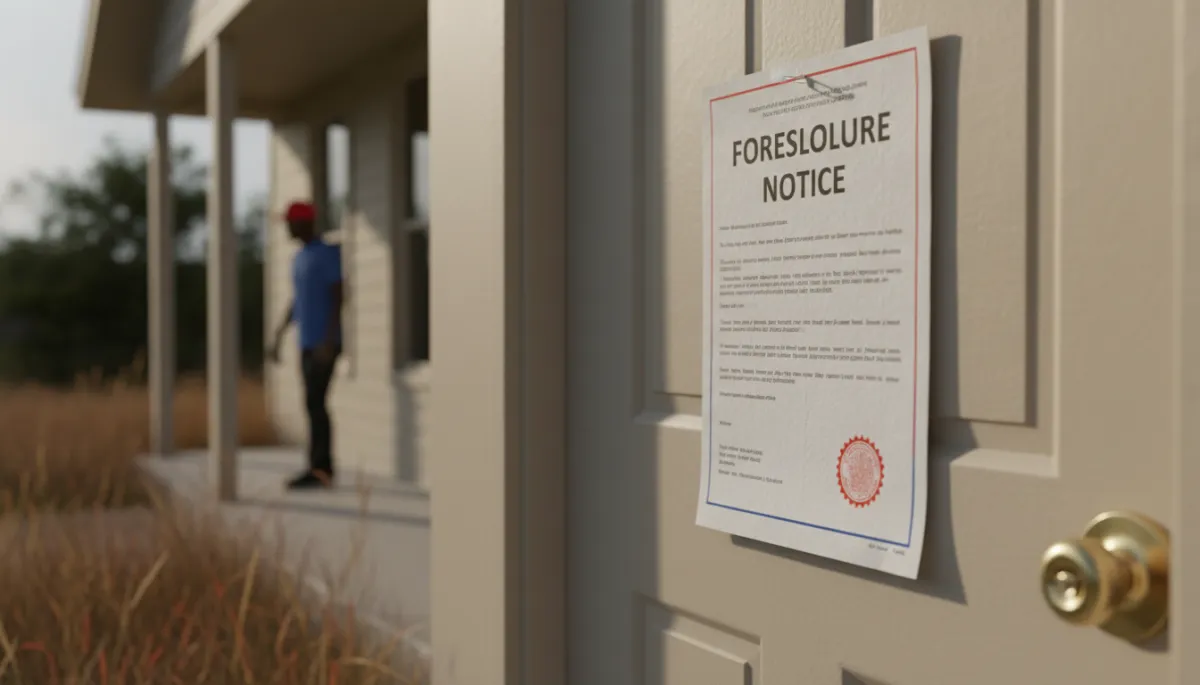
Foreclosure in Oklahoma is a legal process, not an overnight event.
Judicial Foreclosure in Oklahoma: How the Process Works
Oklahoma uses a judicial foreclosure system. That means your lender must go through the courts to take your home back. If payments remain unpaid, here’s what typically happens:
The lender files a lawsuit asking the court for permission to foreclose and sells the property to satisfy the debt.
You’re formally served with papers and given a deadline to respond. If you ignore them, the lender can request a default judgment.
If the court rules for the lender, it will order a sheriff’s sale, where the home is auctioned.
In some cases, if the sale doesn’t cover what you owe, the lender may ask the court for a deficiency judgment, meaning you could still owe money even after losing the house. This is highly situation specific, and it’s wise to speak with a local professional about your particular risk.
💡 Pro Tip: Open every letter from your lender and the court. Deadlines in foreclosure cases are strict, and missing one can limit your options.
Can You Save Your Home After You Stop Paying?
Even if you’ve missed several payments, foreclosure isn’t always the end of the story. Depending on your situation, you may be able to explore:
Reinstatement – catching up the missed payments, late fees, and costs by a specific date to bring the loan current.
Loan modification – asking the lender to adjust your interest rate, term, or missed payments to create a more affordable monthly amount.
Short sale or deed in lieu – if keeping the home isn’t realistic, these options may help you exit with less long‑term damage than a full foreclosure.
Moving Forward With Clear Eyes
Stopping mortgage payments in Oklahoma can lead to late fees, credit damage, a court case, and ultimately the loss of your home. But the process takes time, and you’re not powerless in the meantime. Staying in communication with your lender, learning your rights, and getting local guidance can help you protect your family and plan your next steps with more confidence.
If you're dealing with a hoarder house and would like to discuss your options, we're here to help.
📞 Call Us Today: 405-449-2274
📧 Email Us Today: homebuyerforcash.com